• Empire Hyundai of New Rochelle

Blog

All New Rochelle Hyundai Dealer Hyundai Model Info 2026 Hyundai Santa Cruz 2026 Hyundai Elantra 2026 Hyundai Santa Cruz Features Empire Hyundai New Rochelle IONIQ 9 New Rochelle Hyundai Service New Rochelle, NY Hyundai Dealer 2026 Hyundai Kona 2026 Hyundai Palisade Empire Hyundai of New Rochelle Service
A man and a woman touching a "for sale" car

How to Buy a Used Car

New cars are sleek, shiny, full of impressive tech, and have that fantastic new car smell. However, they also come with hefty price tags that can take your breath away- and not in a good way! The good news is that buying a used car will save you money on car insurance, registration, taxes, and depreciation. But buying a used car comes with its own risks. That's why it's paramount that you do your homework before committing to a car. If you don't do your research, you may end up paying more than you should for your car or, even worse, end up with a real piece of junk. These tips will help to steer you in the right direction! more Read More Key Takeaways: Buying a used car can help you save money on initial payments, auto loans, registration, and car insurance. Ensure you get preapproved for a car loan before the car search. When you've identified a car you may want to buy and secured a preapproved financing offer, you should delve deeper into a car's history- get the car history report, take a test drive, and have it inspected by an independent mechanic. Determine How Much to Spend There are two main ways to buy a used car- pay cash or take out a loan. If you're paying with cash, budgeting for a used car can be straightforward. Just ensure that you don't spend all your savings, and don't forget to set aside money for insurance, registration, and possible future repairs. Alternatively, you can take out an auto loan to protect your savings or buy a more expensive model. If you're considering an auto loan to finance your car purchase, it's wise to get preapproval before your car search. That's because it simplifies the buying process and puts you in a stronger position at the car dealership. It's also recommended that you: Plan to put at least 10% down, which will help lower the amount you'll need to finance. Aim to finance the auto loan for no more than three years. Budget to ensure that your monthly auto expenses, including car payment, gas, and insurance, won't be more than 20% of your monthly net pay. Finding a Used Car Searching for a used car used to mean scouring tiny newspaper classified ads, visiting car lot after car lot, and cruising shopping center parking lots searching for cars with "for sale" signs in their windows. The good news is that today, you can find nearly every used car for sale somewhere on the internet. Our used car listings, for instance, show hundreds of vehicles available at our dealership. You can narrow the search to the specific car model you're looking for and your budgetary limit. Get a Vehicle History Report You want to find out as much as you can about any car you're considering. One way of doing that is getting the vehicle's history report. You don't want to run all over town looking at cars that aren't worth your attention. A vehicle history report can tell if a car is worth pursuing or if there are too many red flags to keep it on your list. To get the report, you'll need to get the car's vehicle identification number (VIN) or license plate number, which you can often get from ad photos or the seller. The vehicle history report can reveal the following: Accidents: Although it might not show very recent collisions, a vehicle history will include information about major reported accidents the car has been in. In some instances, the information can include details like airbag deployment and structural damage. The report uses data from state DMVs, police agencies, insurance companies, and other sources. Flood, Fire, and Other Damages: A vehicle history report will also reveal damages, such as water damage from floods, hailstorms, or fire damage. Water damage and fire damage should typically disqualify a car from your consideration due to the high potential of hidden damage. Go For a Test Drive When taking the used car for a test drive, turn off the stereo so you can hear any noises in it. Pick a route with hills, bumps, and even potholes. Even when you plan to use the vehicle on flat roads and highways, it's vital to test it on rough roads to get a sense of how it handles. Use the test drive to answer these questions: Feel: How does it feel on flat roads or when it hits a bump or pothole? Do gears change smoothly? Does the car struggle to pick up speed? Is the break squishy or too sensitive? How does your body feel after the test drive? Noise: Does the engine sound smooth when you accelerate? Does the engine rattle, grind, or knock when you idle? Do the brakes squeak? Are there vibrations or odd sounds under the hood when you accelerate? Sight: Does black smoke come out of the exhaust when you start the car or accelerate? Can you see out of the car easily? Is the RPM gauge consistent when you idle? Smell: Dial down the air conditioning- do you smell burning oil? Get a Mechanical Inspection A good test drive might have you ready to pen down that check and drive your ride home right away. But there's a crucial step you need to complete before deciding to buy a used car: get a comprehensive pre-purchase inspection by an independent mechanic. Yes, the inspection will cost you money -about $100-$200, but it can save you from major mechanical repairs soon after your purchase. Moreover, it might reveal issues that give you additional bargaining power in price negotiations. Need Help Buying a Used Car? Call or Visit our Dealership! To buy a used car, you've got to ensure that it's not a total piece of junk! The abovementioned tips can help you when buying a pre-owned vehicle. For more information about how to buy a used car or to check out the best used car in your area, contact our dealership today!

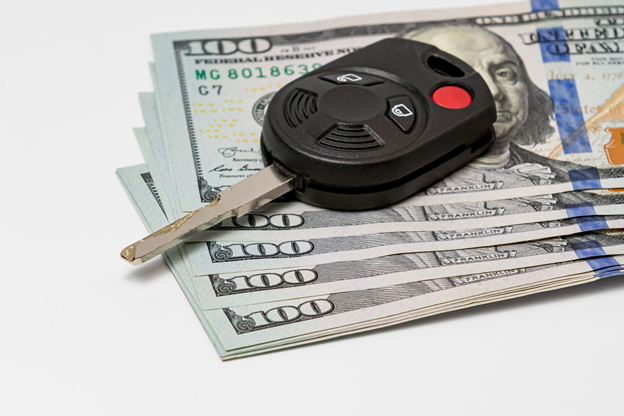
Car keys on top of money

5 Simple Steps to Increase Your Car’s Trade In Value

You’re finally in tip-top financial shape to buy another car, but there’s an issue: How do you get your existing set of wheels off your hands? You probably don’t have enough time to deal with the hassle of a private sale and have no desire to auction it off. There’s another option: Trade in your car! Trading in your car is an easier and more convenient way to sell your old ride while still buying a new one. Still, doing some bit of homework before making the swap can get you a fair, or even surprisingly, close-to-market-value price of your current vehicle. Keep reading to learn more ways to increase your car’s trade in value! more Read more noteaser Key Takeaways: Your car’s trade in value can differ based on where you live and what’s popular in the area. Obviously, mechanical and cosmetic issues will make a terrible first impression. So, if your car has noticeable door dings, bumper dents, rust spots, or broken bulbs, make an effort to fix them, but more importantly, have an expert fix the mechanical issues. Ensure your car is clean. A good detailing job may cost about $50, but it can increase your car’s trade in value by several hundred dollars. Get multiple quotes and negotiate like a pro when trading in your car. Research Your Car’s Value The internet is one of the best resources when it’s time to trade in your car. You can determine your car’s value with tools such as Kelly Blue Book. Be sure to include all your vehicle’s unique features, like a premium audio system, navigation, and anti-theft system. Also, be honest with the vehicle’s condition. Keep in mind that researching your car’s value as if it were in perfect condition may not set realistic expectations if the hood is dented, the cloth has burn holes, or the check engine light is on. It’s also recommended that you research dealership websites to see what cars like yours are selling for in your neighborhood. If the local market is oversaturated with a car model similar to yours, the dealership will likely offer you less than it would if the car were in high demand and challenging to find. Fix Known Mechanical Issues The physical and mechanical condition of your vehicle is a huge driver of its value. So, it’s in your best interest to resolve any problems that are relatively simple to fix. Typically, minor updates that don’t cost much money and are likely to boost the resale value of your car are worth considering. That might include minor cosmetic fixes, for instance, scratches and dents or replacing worn-out lights. Remember to keep the receipts for repair and maintenance, including your old receipts. These can prove to the buyer or dealer that you’ve been taking care of the car. Consider also pulling a car history report for your car for the dealer to review when evaluating your trade in. Essential Note: Check the National Highway Traffic Safety Administration database for any vehicle recalls affecting your ride. Recalled parts are often fixed for free, and that extra effort can increase your car’s trade in value. Pick Add Ons That Add Value Automatic emergency braking and forward collision warning systems can help you avoid head-on collisions and accidents involving pedestrians. Keeping the driver and those around them alive is one of the most valuable upgrades anyone can have. Other safety features that can add value to your car include rear cross-traffic warnings, automatic high beams, and Bluetooth speakers for hands-free calling. These extras might seem expensive during purchase, but they can pay off when you start thinking about trading in your car. Note that you might not be able to completely stop a car from depreciating in value, but you can add value from the security and safety you gain from these add-ons. Make it Shine with Car Detailing It’s going to be much more challenging to retain your car’s value if you treat it like a dump. Ripped seats, coffee stains, and a musty cigarette smell will depreciate your vehicle’s value quickly. Keeping your car looking brand new will keep it valuable and increase its trade in value. So, ensure that you hit these marks when detailing your car: Wash the exterior of the car and finish with a wax Vacuum and wipe down the interior and clean the windows Keep the engine clean, clean the rims, and blacken the tires. Pro Tip: If you get bird droppings on your car, always clean it off quickly. That’s because the acidity of the droppings can ruin your paint. Also, you can get your ride waxed to keep it shining before the trade-in. Get Multiple Quotes and Negotiate Like a Pro Trade in offers vary depending on what the dealership already has in the inventory, the car’s condition, and how well the dealership feels the car will sell. You may prevent some back-and-forth negotiating at one dealer by getting multiple trade-in quotes from different dealerships. Get one quote, and go to another and see if it beats what the first offered. Be sure to get all offers in writing. Moreover, you may do excellent research and have your ride shining as new as the day you bought it, but if you don’t negotiate well, some salespersons might lowball you. Also, when negotiating, ensure that you let the dealership know what extra features your car has that can increase its value, including remote start or all-wheel drive. Increase Your Car’s Trade In Value Ensuring you secure the best trade in value can help you get a lower price and monthly payment on your next ride. It’s well worth it to research, fix mechanical issues, spruce up your car, and secure multiple quotes. For more information and to get the best car trade in values, visit our dealership or contact us today!

A hand signing papers next to a car

7 Mistakes to Avoid When Buying a Car

Buying a car can be an exciting and celebratory experience. But it can also be a complex process through which you might end up overpaying hundreds or thousands of dollars or with a car that you won’t be happy with down the road. To avoid that, here are some mistakes to avoid when buying a car. more Read more Key Takeaways: Buying a car is exciting, but it’s also easy to be overwhelmed. Preparation and research should be your friends. Don’t go to the dealership without getting preapproved for an auto loan, knowing the amount you want to pay, and having a list of necessary features. There’s more to a car than its monthly payment. Choosing a Car that Doesn’t Meet Your Needs Believe it or not, buying a car is an emotional decision. Oftentimes, what you drive is an extension of who you are. It can even be tempting to pick a car based on how it looks and the status it conveys. Unfortunately, becoming infatuated with a single car can blind you to alternative cars that could be better for your needs. It can also make you skip thoroughly researching a car’s ratings, reliability, reviews, safety, and pricing information. To avoid that, try leaving emotions out of the car-buying process. Instead, try doing your homework, comparing different models, and assessing your real wants and needs. For instance, if you travel for work, a gas-guzzling muscle vehicle may be the best idea. And if you’re planning to start a family, that two-seat sports car won’t make sense for long. Using the Monthly Payments as the Only Yardstick Some salespeople tend to focus on a monthly-payment figure while negotiating a deal. In fact, if you’re thinking of that monthly payment only, the salesperson has the opportunity to tie you to a longer loan-repayment period, which could cost you more interest. The salesperson could also lump the new-vehicle price, trade-in value, and leasing terms together, giving them too much latitude to give you a “good price” in one area while making up for it in another. So, instead, insist on negotiating one thing at a time. For instance, settler on the car’s price first, then discuss the trade-in, and financing separately. Not Getting Preapproved for Financing You could be a whiz at negotiating a good deal, but if you don’t choose your financing just as carefully, you might lose everything you’ve saved on the car’s purchase price and more. If you haven’t researched financing terms and options, you could be vulnerable to being manipulated by the seller. Essentially, if you don’t shop around for the best auto loans, you’ll be stuck with what dealerships will give you, and they won’t have any incentive to make a competitive rate. So instead, you should comparison-shop for financing terms and get prequalified for an auto loan before heading to the dealership. Other benefits of getting preapproved for financing include: Offers you a chance to set up your loan with the right down payment and loan term It Simplifies dealership negotiations by allowing you to focus on the out-the-door price Serves as a bargaining chip in getting the dealer to offer better rates Buying Unnecessary Extras Sometimes, a seller could load up a car with profit-boosters, which can include rustproofing, anti-theft devices, paint protectant, fabric protection, and add-ons like wheel locks and mudguards. These extras are often unnecessary and can be a waste of your money. For instance, vehicle bodies are already coated to protect against rust, so why do you need rustproofing? You can also treat upholstery and apply paint protectant yourself with good off-the-shelf products that cost only a few dollars. So, instead, you should check for those items on the bill of sale, and if you haven’t agreed to them, cross them out and refuse to pay for them. Underestimating the Value of Modern Safety Features Today’s cars offer a wide array of advanced safety features. But many buyers aren’t aware of which are most important or what to look for when comparing cars. Electronic stability control (ESC), antilock brake systems (ABS), and head-protecting side airbags, for example, are efficient and well worth the money. ESC can significantly lower fatalities and accidents while head-protecting side airbags are crucial in preventing fatalities in side impacts. Skipping the Test Drive Test driving is one of the most crucial parts of the car-buying process. Many vehicles might look good on paper, especially in glossy brochure pictures, but the test drive is your best chance to see how the car measures up to expectations and how well it fits you and your loved ones. You don’t want any surprises after you’ve bought a car. In fact, skipping the test drive is a sure recipe for buyer remorse. As such, it’s vital to take ample time to conduct a complete test drive and perform a thorough walk-around of the car you’re considering. Being Afraid to Walk Away Shoppers who keep their options open and visit different dealerships are often in a far better position to negotiate. However, if you have only one option, it’s easy to get emotional about the purchase or stubborn about the time you’ve spent trying to get the right price for it. Sometimes, you might think you’ve spent too much time on the process and simply want to get it done. So, instead of walking away, you accept terms you didn’t want and ultimately resent the purchase. To avoid that, take your time researching comparable vehicles, visiting dealerships to view inventory, and securing outside financing. Avoid These Mistakes When Buying a Car There’s a lot that goes into buying a car and it’s easy to be overwhelmed. Preparation and research should be your friends. Don’t go to the dealership without getting preapproved for an auto loan, knowing the amount you want to pay, and having a list of necessary features. Keep in mind that there’s more to a car than its monthly payment. For more information about mistakes to avoid when buying a car, consult our auto experts today!

A hand adding pressure to a tire

Car Tire Pressure: The Ultimate Guide

Having the correct car tire pressure is extremely crucial in getting good gas mileage and the most out of the tires’ life. In fact, improperly-inflated tires might wear excessively, which is one of the reasons it’s vital to know how and when to check your tire pressure. So, how do you go about checking your car tire pressure and inflating tires? Here’s the ultimate guide to help you find the optimal pressure and enjoy your ride. more continue reading Key Takeaways: Your vehicle has a recommended tire pressure that’ll offer the best fuel mileage, handling, and tire life, and it’s written right on your car’s door. You’d be amazed how wrong tire pressure can be before it’s noticeable, be on the lookout. If the air pressure exceeds the recommended one, ensure that you deflate the tire. Why Should You Check Your Tire Pressure and Inflate it? Tire pressure is crucial in maintaining a safe, comfortable ride. Here are more benefits why you should check your car tire pressure and inflate it. Tire Wear Underinflated tires can cause premature wear from increased friction, while overinflation will give you a bouncy ride and an ill-handling car. Either way, not having your car tires inflated to their recommended pressure will adversely affect tire wear and car performance, and will definitely affect your maintenance routine when it comes to replacing them. Safety Tire pressure has a serious impact on how your car responds to the steering and braking input, which could pose a safety risk for you, your passengers, and your car as well. In fact, if you have overinflated tires, your vehicle might not have enough grip on the road, causing the car to slide and lose traction. Besides, overinflated tires have higher chances of experiencing blowouts from potholes and other road hazards. Fuel Efficiency One of the major risks of running on under or overinflated tires is that the issue isn’t typically severe enough to stop you from driving in the first place. However, even if it’s invisible, improperly inflated tires will cost you money and impact your car’s performance. Your gas mileage will suffer, causing you to pay more at the gas pump. That’s because the tires will cause more friction against the road, making it harder for your car to move forward and consuming more energy in the process. What Should Your Car Tire Pressure Be? On newer models, the recommended car tire pressure is most commonly listed on a sticker inside the driver’s door. But if there’s no sticker on the door, you can find the specs in the owner’s manual. Many passenger cars will recommend 32 psi (per square inch) to 35 psi in the tires when they’re cold. The reason you should check tire pressure when they’re cold is that tires roll along the road, and friction between them and the road generates heat, increasing both the temperature and air pressure. For the most accurate and consistent reading, ensure the car has been sitting overnight or at least has been parked for a few hours. Essential Note: Don’t inflate the tires to the pressure listed on the tire itself. That’s the maximum pressure allowable, and not recommended pressure for the car. How Do You Check Your Car Tire Pressure? You’d be amazed how wrong tire pressure can be before it’s noticeable. That’s especially true for modern run-flat tires that can be completely devoid of air and appear perfectly fine due to their reinforced sidewall construction. Fortunately, you can check your car tire pressure effectively using a digital tire gauge. You’ll need to locate the valve stem on every tire, including the spare one, loosen them (one at a time), then open the air valve, and use the pressure gauge to measure the pressure. If you don’t have a pressure gauge, you can borrow one from the local gas station. You should consider noting down the tire pressure as you move around measuring. Also, ensure that you replace the valve caps when you’re done so that air doesn’t leak out. Then, compare the tire pressure with the recommended pressure on the owner’s manual or door jamb sticker. If they have the right pressure, you can go ahead and enjoy your ride. If not, use the following steps. How Do You Inflate Your Tires? There are two ways you can inflate your car tires: Use a Portable Compressor: You can buy a portable air compressor at your local auto supply store or nearest gas station that you can use at home. That’s a simple and convenient way of inflating your tires since the compressor will only take a few minutes per tire to get it up to the recommended pressure. Seek Help: You can head to your local gas station, auto mechanic, or dealership and ask them to top off your tires. While it might cost you about 50 cents, it’s an ideal option if you aren’t sure how to go about inflating your tires. Regardless of the method you choose, it’s crucial to check the recommended tire pressure for your specific tires and ensure they’re inflated to that level. How Do You Deflate Your Tires? Sometimes, the air pressure exceeds the recommended car tire pressure. If that’s the case, you can deflate the pressure as follows: Find the air valve on the tire and unscrew the cap to access the air release valve. Based on your vehicle’s make and model, that might be located near the wheel of the car or on the inner side of the tire. Insert the air pressure gauge in the valve and let it sit in for a few seconds to measure the current air pressure in the tire. Compare that reading to the recommended tire pressure. If it’s higher, you can slowly and steadily release air from the tires until they reach the desired air pressure. Replace the air release valve caps on top of each tire and close the gas cap on the car. Enjoy Your Car With the Right Car Tire Pressure You can now enjoy your car fully without worrying about fuel economy, tire wear, and safety issues like blowouts and skids. Still have questions about car tire pressure? Consult our auto experts today!

Contact Us

Fill out this form below and we'll contact you shortly

By submitting your information, you agree to the sharing of your information between Hyundai Motor America and its authorized dealers.

*Required Fields